Puppy-Proofing a Small Home: Room-by-Room Checklist
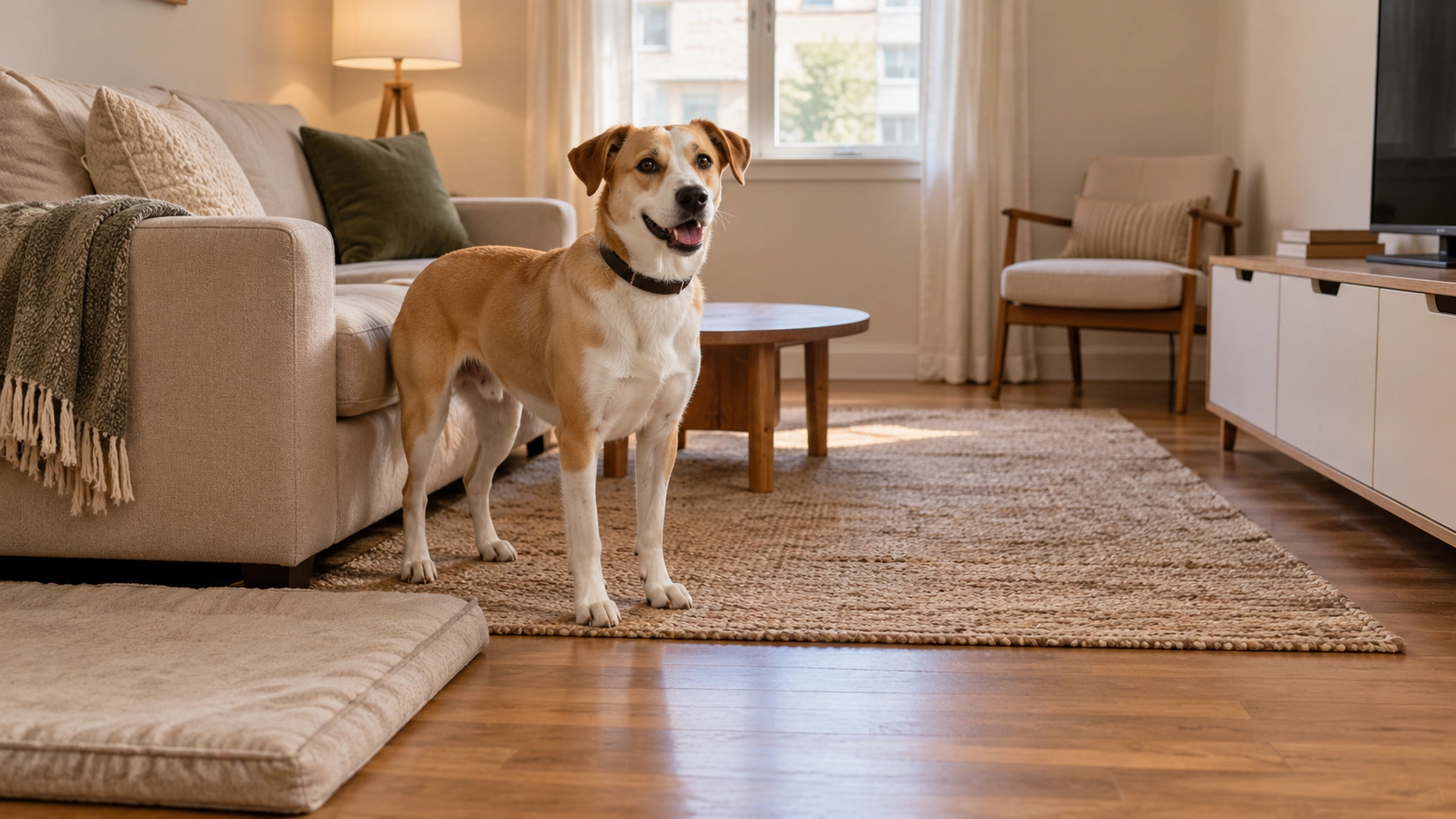
To puppy-proof a small apartment or home, work through one room at a time: look low, remove reachable hazards, check storage and exits, then repeat the route before your puppy arrives. A tidy room can still have a charging cable behind the couch or a medication bottle in a bedside bag.
Use the walk-through below to turn those discoveries into specific changes. If you are still gathering everyday supplies, our new dog checklist for small homes and apartments covers that part of preparation.
Start at Puppy Eye Level
Kneel down and look beneath furniture, along baseboards, and into open shelves. Then look higher: a couch, chair, or bed may give a puppy access to something that seemed out of reach. The American Kennel Club’s puppy-proofing guide recommends checking reachable cords, small objects, medications, trash, and other household hazards.
Choose a starting point, such as your front door, and move around each room in the same direction. For every concern, write one of three actions:
- Move it: put the item in storage your puppy cannot access.
- Secure it: close and secure the cabinet, bin, or access point, then check it.
- Keep the area off-limits: prevent access until the problem is resolved.
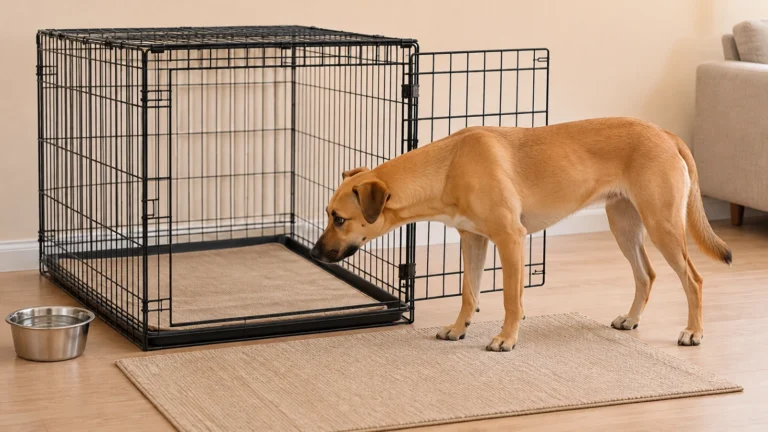
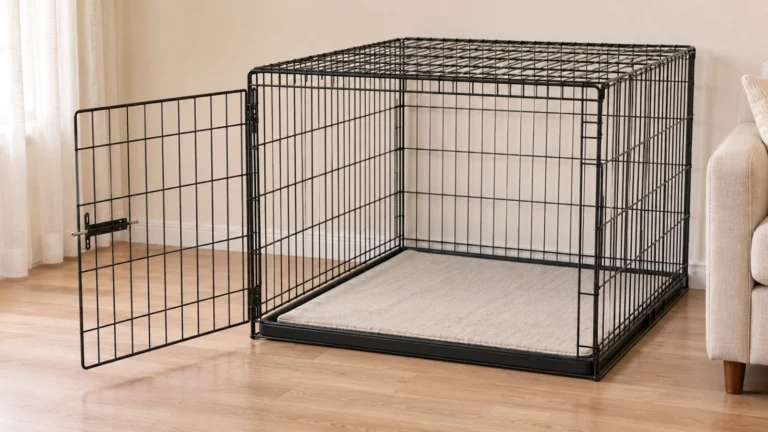
Begin with a manageable area where you can supervise your puppy, with water and a comfortable resting place. A gate or pen can help control access, but the space inside still needs the full inspection. Follow the equipment manufacturer’s instructions for suitability, placement, and installation; no barrier replaces supervision.
Your Room-by-Room Puppy-Proofing Checklist
Use this table as your first pass. If you cannot make a change before arrival, keep your puppy out of that area and note what remains to be done.
| Area | What to check | What to change |
|---|---|---|
| Living room | Cables, low shelves, small objects, and spaces behind furniture. | Remove loose items; make cables inaccessible; check hidden corners. |
| Kitchen | Food, trash, reachable cabinet doors, and cooking access. | Secure food and garbage; close storage; keep the puppy away during cooking. |
| Bathroom | Medicines, toiletries, cleaners, trash, and the toilet. | Store products securely; close the toilet lid; close the room when unused. |
| Bedroom | Bedside items, bags, shoes, socks, and under-bed storage. | Clear low surfaces; use closed storage; put laundry out of reach. |
| Laundry area | Detergent, pods, dryer sheets, and access to machines. | Secure products; check machine interiors before use; close doors after unloading. |
| Entry and windows | Door latches, blind cords, reachable openings, and climbing routes. | Check closures; remove access to cords and open windows; clear the exit route. |
| Balcony or patio | Door access, railing gaps, furniture, and stored items. | Keep access closed until assessed; do not rely on a screen or gate alone. |
Living Room: Check Beyond the Clear Floor
Cords and charging spots
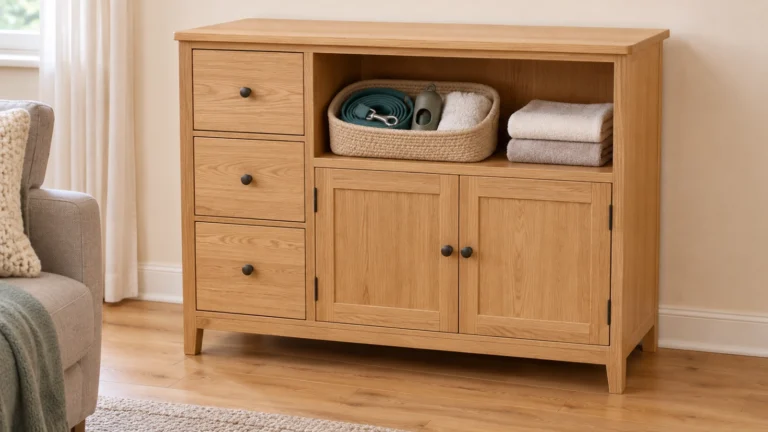
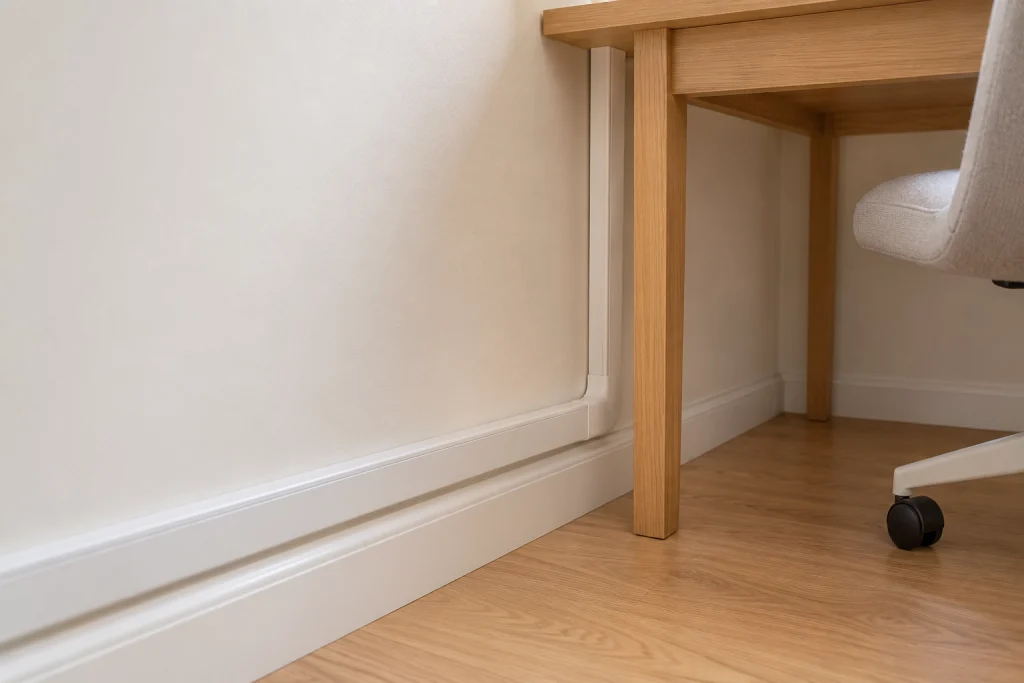
Trace each cable from the device to its outlet. Pay attention to chargers beside the couch and cords under a desk. Move unused chargers into closed storage. For cables that must remain in use, prevent the puppy from reaching them; a suitable enclosed cord concealer may be part of the setup.
Use cable-management products as directed, and check for reachable ends or loose sections. A cover is not a promise that a determined chewer cannot get through. If a cord is damaged, keep your puppy away and have it addressed before use. The AVMA’s household hazards guide explains the risk of burns or electrocution from chewing plugged-in cords.
Small items and hidden access
Empty the low shelf that holds coins, hair ties, game pieces, or remote batteries. Move breakable decorations away from edges. Check beneath cushions and behind the television stand, not just the middle of the room.
In a studio apartment, use furniture placement to make the supervised area easy to see. Avoid creating a narrow hidden passage behind the couch. Keep the route to the door clear enough for a person carrying supplies or accompanying the puppy.
Kitchen: Secure Food, Products, and Trash
Check lower cabinets, pantry shelves, reusable grocery bags, and the edge of the counter. Put food away after unpacking rather than leaving bags on the floor. Chocolate, grapes, and raisins belong beyond a puppy’s reach; VCA’s puppy-proofing guidance identifies these among foods that can harm dogs.
Check ingredient labels on sugar-free products. The FDA warns that xylitol is dangerous to dogs and may be found in gum, some nut butters, toothpaste, and other products. Store anything containing it securely, including items carried in purses or backpacks.
Test whether your trash storage actually stays closed during normal use. A latching lid or a bin inside secured storage can help; an open bag beside the cabinet defeats the arrangement. Include recycling that contains food residue.
Keep your puppy away from the cooking area while hot cookware and food are being moved. In an open-plan home, decide where the puppy will be supervised during meal preparation before the first busy dinner.
Bathroom: Close Up the Things You Use Every Day
Move medicines and supplements into secure storage, including pill organizers and bottles normally left beside the sink. VCA notes that a child-resistant bottle does not stop a dog from chewing through it.
Put razors, dental supplies, cosmetics, and cleaning products away after use. Keep the toilet lid down and bathroom trash inaccessible. Closing the bathroom door when it is not in use adds another boundary, but everyone needs to follow the same habit.
Store cleaning products in their original packaging inside a secured cabinet. Follow each product’s directions for use, ventilation, storage, and when pets may reenter a treated area. The ASPCA’s household-product safety guidance supports secure storage and keeping pets away during cleaning; a familiar household product still needs careful handling.
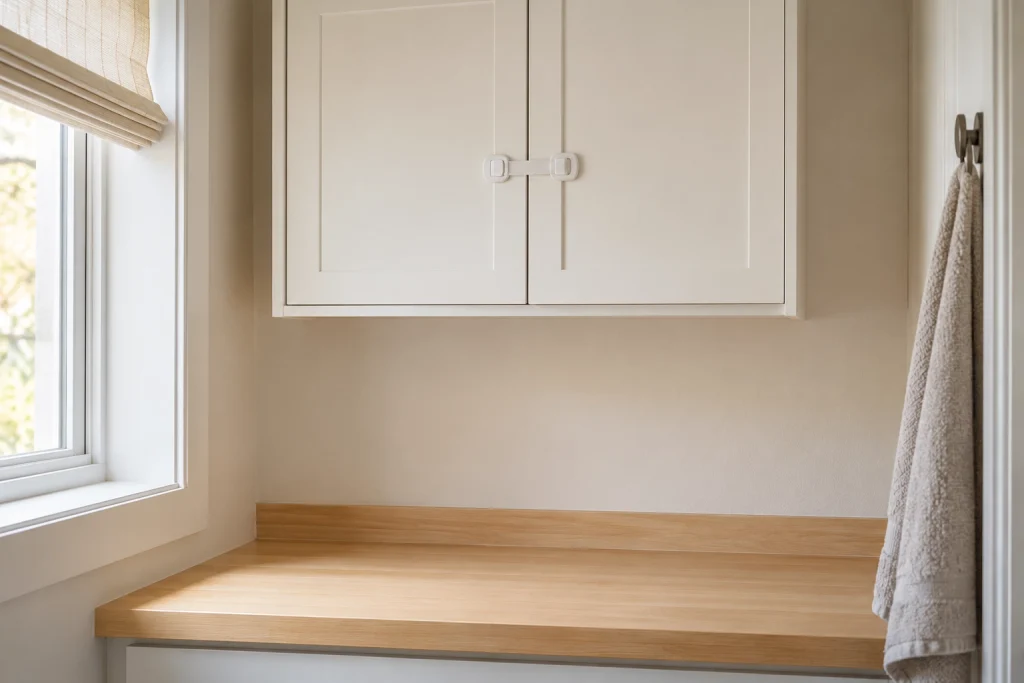
Bedroom and Laundry: Make Putting Things Away Easy
Check both sides of the bed, open bags, the closet floor, and any storage boxes a puppy could nose into. Move shoes, socks, jewelry, and charging cables into closed storage. A laundry basket with clothing spilling over the edge still leaves tempting items within reach.
Choose a landing place for bags that everyone will use. A closed closet is more reliable than remembering to remove gum or medication from each purse every evening.
Keep laundry detergent, pods, fabric softener, and dryer sheets securely stored. ASPCA Poison Control warns that laundry detergent pods can seriously harm pets if ingested. Do not leave a pod on a machine while sorting clothes. Check the washer and dryer interiors before loading or starting them, and close machine doors after use.
Check Plants by Their Identity
Identify each plant by name and check the dog-specific information in the ASPCA’s toxic and non-toxic plant database. Do not assume a plant is suitable because it is common or sold indoors. If its identity is uncertain, keep it inaccessible while you get a reliable identification.
The database is not exhaustive, and even plant material listed as non-toxic may cause stomach upset if eaten. Keep pots and fallen leaves out of the puppy’s accessible area rather than treating a non-toxic listing as permission to chew.
Doors, Windows, and Balconies Need a Separate Check
Open and close the front door, bedroom doors, and patio door yourself. Confirm that each latch catches. Plan for deliveries: one person should manage the puppy in the prepared area before another opens the exterior door. Do not expect a new puppy to understand a doorway boundary.
Keep a puppy from accessing open windows and move climbable furniture away from them. Oklahoma State University Extension explains that insect screens are not designed to prevent pets from falling. A screen alone does not make an open window safe. Keep blind cords inaccessible as well.
Keep a balcony off-limits until its access, gaps, and climbing opportunities have been assessed for your puppy. Do not assume an adult dog’s size predicts what a puppy can squeeze through. If you rent, ask the property manager about suitable permitted changes, and keep emergency exits usable. A balcony gate alone is not a complete safety setup.
Finish With a Repeatable Sweep
Walk the same route again, this time imagining an ordinary evening: groceries arrive, someone charges a phone, laundry comes out, and the doorbell rings. Those routines can undo a careful setup.
- Check the floor and low surfaces for anything newly dropped or unpacked.
- Close cabinets, bags, trash storage, and rooms that are off-limits.
- Check accessible cords and the closures on doors and windows.
- Confirm who is supervising the puppy during cooking, cleaning, and deliveries.
- Write down unfinished changes and keep the affected areas inaccessible.
Repeat the short sweep daily and after visitors, cleaning, or rearranging furniture. Reassess as your puppy grows and reaches new places. Keep your veterinarian’s and nearest emergency veterinary hospital’s contact information easy to find. If you suspect a harmful exposure or swallowed object, contact a veterinarian promptly.
Sources
- American Kennel Club: Puppy-Proofing Your Home and Yard
- VCA Animal Hospitals: Puppy-Proofing 101
- American Veterinary Medical Association: Household Hazards (PDF)
- FDA: Paws Off Xylitol; It’s Dangerous for Dogs
- ASPCA: Corrosive Household Products
- ASPCA: Keep Laundry Detergent Pods Away from Pets
- ASPCA: Toxic and Non-Toxic Plants
- Oklahoma State University Extension: Protecting Children and Pets From Window Falls