Daily Routine for a New Dog: A Flexible Starter Plan
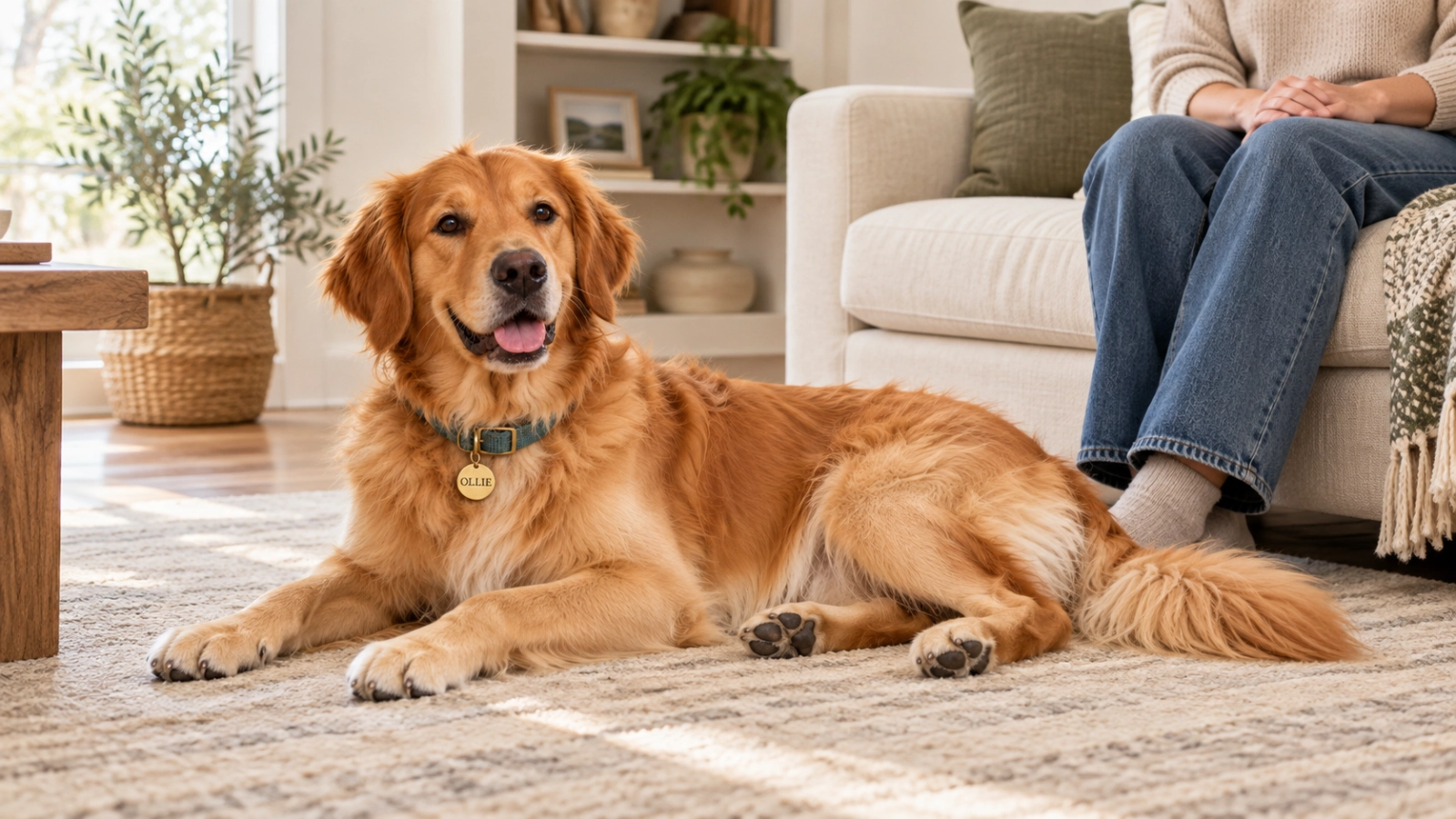
A daily routine for a new dog starts with the care they need now: meals, bathroom access, suitable activity, company, and undisturbed rest. Agree who will handle each part, then use what you observe to adjust. A useful routine should help your household meet needs, not ask the dog to fit an empty slot in your calendar.
The event-based sample day below is a starting worksheet, not a feeding prescription, exercise target, or limit on time alone. Keep any prescribed care times and follow the dog’s current care instructions; ask your veterinarian to resolve medical questions. For the arrival itself, use our first-day arrival plan for a new dog.
Begin With the Routine Your Dog Already Knows
Ask the shelter, rescue, foster caregiver, breeder, or previous household what an ordinary day has looked like. An adult dog may already have preferences and routines worth preserving. Dogs Trust’s rescue-dog settling guidance recommends finding out about established habits, diet, and ongoing veterinary or behavior needs.
- Meals: What food, portions, meal times, and any dietary instructions are currently used?
- Bathroom needs: Where does the dog go, when are opportunities offered, and are overnight trips needed?
- Activity: What walks, sniffing, play, or training are familiar, and are there restrictions?
- Rest and company: Where does the dog rest, what disturbs them, and what support have they needed?
- Health and practical care: Are there prescribed treatments, appointments, handling needs, or other tasks to carry forward?
Label missing information as unknown rather than inventing an answer. A familiar pattern is a starting point, not proof that the dog will respond the same way in a different home. Ask about any instructions you cannot carry out, and arrange support rather than quietly dropping that part of care.
Make Daily Care Easy to Deliver
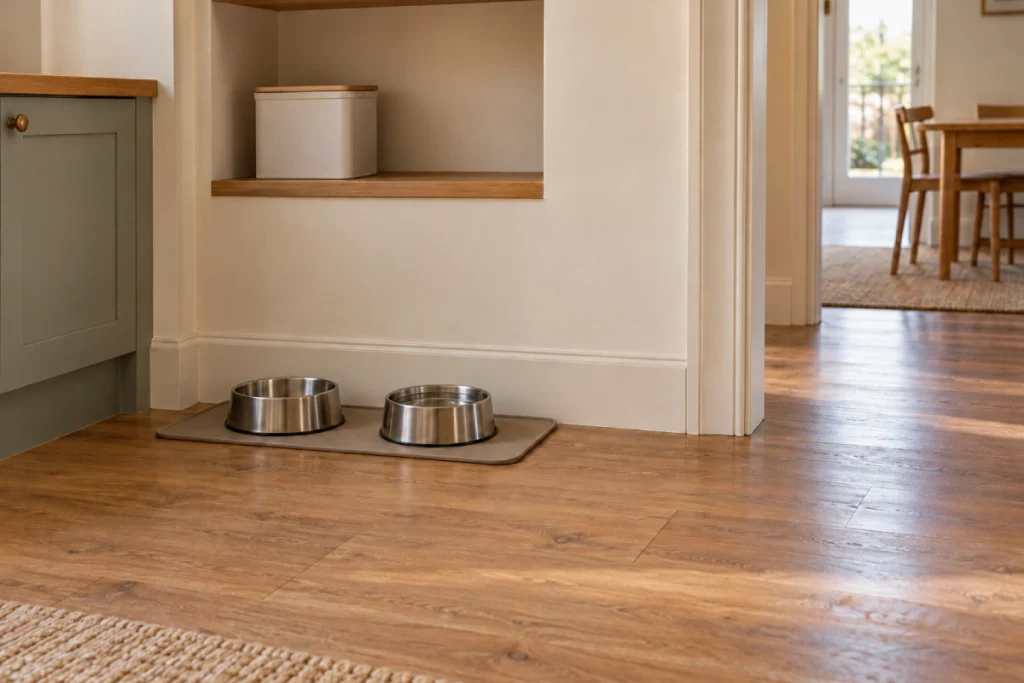
Choose a washable feeding spot clear of busy doorways, with clean bowls and space for the dog to eat without crowding. Keep the food instructions where caregivers can find them. Maintain access to fresh drinking water throughout the day and night; do not remove it to make bathroom planning easier. ASPCA’s general dog-care guidance supports continual access to fresh water and notes that exercise needs vary between dogs.
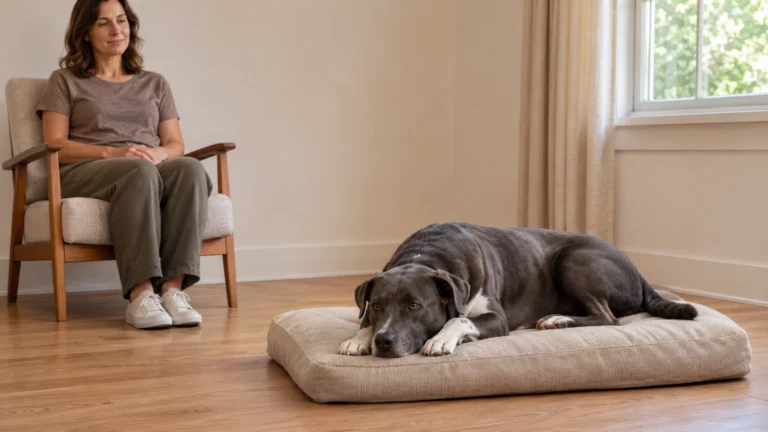
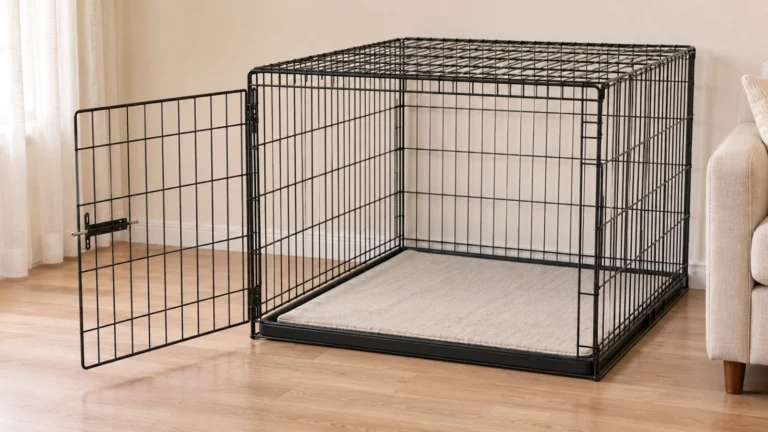
Have a quiet resting place available without requiring the dog to earn it through activity. Leave resting dogs undisturbed. Best Friends’ new-dog guidance emphasizes meeting everyday needs and maintaining a consistent routine. Predictability does not mean filling every waking moment with an activity.
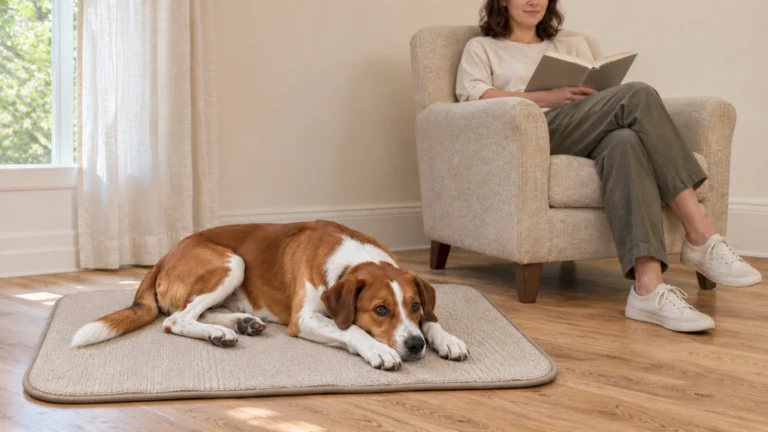
For a short practice opportunity together, learn how to teach a dog to settle on a mat with gentle rewards and gradual steps.
An Editable Sample Day
Copy this table into a shared note and replace the blanks with names. Repeat or add rows as needed, including meals and bathroom opportunities. Events organize responsibilities; they do not replace prescribed timing or set how long your dog can wait. Offer care sooner when needed.
Dog: ____________________ Date or version: ____________________
Care instructions kept at: ____________________ Backup helper: ____________________
| Event | Care to arrange | Who is responsible | What to observe |
|---|---|---|---|
| Waking from the main sleep | Offer the planned bathroom opportunity, check water, and begin the familiar morning care. | ________ | Bathroom result, appetite when a meal is due, and movement. |
| Each planned meal — repeat as needed | Follow current food, portion, and timing instructions. Record completion to avoid double feeding. | ________ | What was offered and eaten; any change from usual. |
| Waking from naps; during awake periods | Provide bathroom opportunities, including around eating, drinking, play, and excitement as needed. | ________ | Signals, bathroom results, and delays reaching the toilet area. |
| A suitable activity opportunity | Offer a walk, sniffing, gentle play, or reward-based practice that fits the dog and care plan. | ________ | Willing participation, comfort, and when to pause. |
| During household work or errands | Name the person providing care and supervision; confirm coverage for meals, bathroom needs, and company. | ________ | Whether help is available when needed; missed handoffs. |
| Resting between activities | Provide an undisturbed resting place and access to water. Keep household traffic away. | ________ | Whether the dog can rest without repeated disturbance. |
| Evening or caregiver handoff | Review completed care, the next meal if due, bathroom needs, and any prescribed tasks. | ________ | What remains to be done and who has accepted it. |
| Before bed and overnight waking | Follow the agreed bathroom and nighttime-care plan; prepare the next handoff. | ________ | Waking, bathroom needs, and anything to share in the morning. |
The daytime rows repeat; this is not a complete list of toilet trips or a requirement to finish one activity before meeting another need. Our apartment potty-training starter plan covers opportunities and rewards in detail. For sleeping arrangements and overnight preparation, see your new dog’s first night.
Assign a Person, Then Confirm the Handoff
Give each care task one named person and a backup where possible. “Whoever has time” can lead to missed trips or duplicate meals. Record what actually happened, not just what was planned. A handoff might read: “Meal offered; some left. Bathroom trip completed. Jordan has accepted the next care block.” If you live alone, use the same note for a helper and yourself.
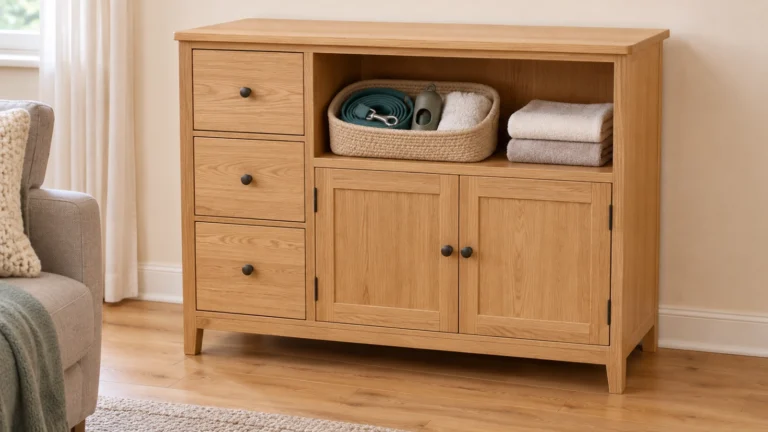
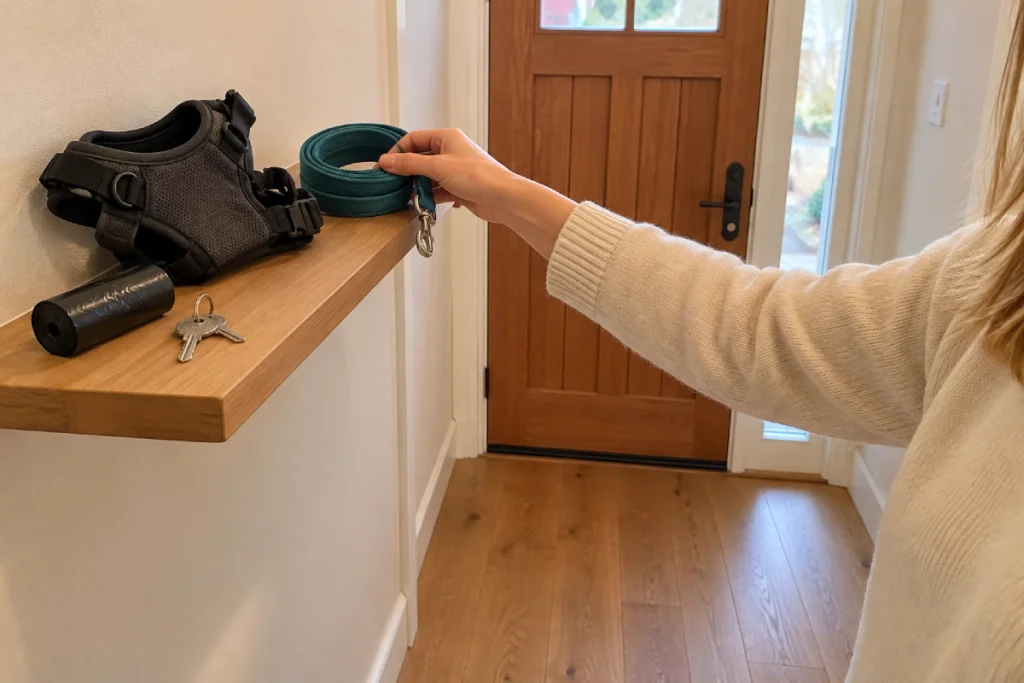
Keep the leash, suitable walking equipment, waste bags, and keys ready before the next break. Store the kit off the walking route and beyond the dog’s reach. Agree who checks supplies and updates the care note when instructions change.
Adjust for the Dog in Front of You
Puppies: Build the day around their current feeding instructions, frequent bathroom opportunities, supervision, and opportunities to sleep. Do not calculate a guaranteed bathroom interval from age alone. Ask your veterinarian about suitable activity and outdoor locations. AAHA’s puppy-preparation guidance recommends agreeing on routines and sharing supervision and nighttime responsibilities where possible.
Adult dogs: Begin with known habits while observing how the new setting changes things. Previous house training does not remove the need for help learning a different exit or household routine. For an older dog or one with health or mobility needs, build in the practical support specified by their caregiver and veterinarian. Do not choose exercise minutes or meal amounts from a generic sample day.
Working From Home Still Requires Care Breaks
Before opening your laptop, mark the calls or tasks you cannot interrupt. Place care breaks around the dog’s needs, and arrange a helper when those needs may fall inside an unavailable period. Being in the building does not make you available to supervise, feed, or take the dog outside.
Use breaks for the care that is due: a bathroom opportunity, suitable activity, quiet company, or checking water. Let the dog rest between interactions instead of repeatedly waking them for attention. Dogs Trust’s working-from-home guidance recommends making time for play and maintaining a routine alongside work.
For example, if a meeting overlaps the dog’s usual care, confirm another caregiver before it starts. A toy is not a substitute for bathroom access or human coverage. Use toys according to their supervision instructions. A quiet spot beside your workspace may suit the dog; do not require them to remain on a mat for the whole workday.
For shifts or days away from home, name the actual caregiver and check that the arrangement suits this dog. Do not assume they can tolerate a full workday alone. Learning to be comfortable during brief separations is a separate task from organizing daily care.
Observe, Review, and Change One Practical Detail
Keep notes brief: the event, who provided care, what you saw, and what happened next. At the next handoff, keep what worked and choose one manageable adjustment. For example, if the exit kit was missing when the dog woke, prepare it earlier. If the resting spot is repeatedly disturbed by calls, reduce the noise or choose a quieter location.
Changing one practical detail at a time can make the result easier to understand, but it is not a reason to postpone necessary care. Contact your veterinarian about health concerns or unexpected changes. Use our first vet visit checklist to prepare records and questions. Seek qualified reward-based behavior support for persistent difficulty, with veterinary involvement where appropriate.
Review the care plan again when work patterns or veterinary instructions change. The goal is a household that can reliably meet this dog’s needs while learning what helps them live comfortably at home.